
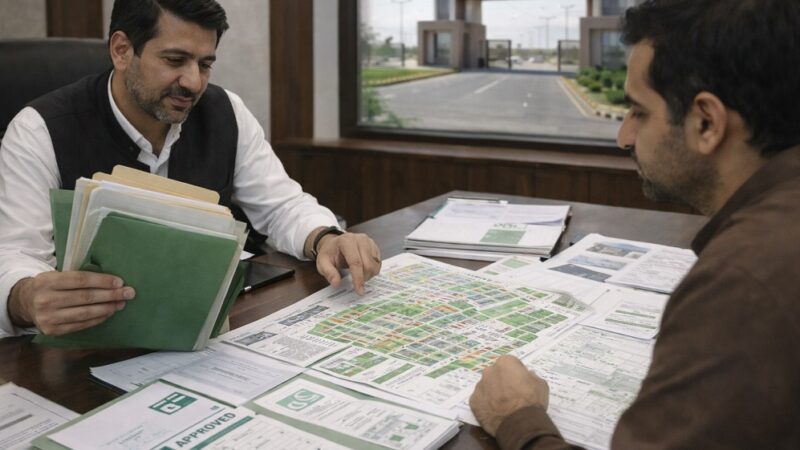
Property files have remained one of the most debated parts of Pakistan’s real-estate market. For years, they attracted investors looking for quick gains, early entry into new schemes, and the chance to benefit from rising demand before actual possession. In active market cycles, files often became the fastest-moving part of the sector.
But the same market also left behind a long trail of disappointment. Delayed projects, weak approvals, artificial price jumps, over-promising developers, and schemes that never matured into secure on-ground assets have badly damaged public trust. That has raised a serious question: is the property file business in Pakistan now effectively finished, or can it return in a major way?
The answer is not simple. Property files are not entirely dead, but they are no longer as blindly trusted as they once were. Their future depends on market sentiment, investor behavior, project credibility, and whether buyers are able to separate hype from genuine real-estate value.
What a Property File Actually Represents
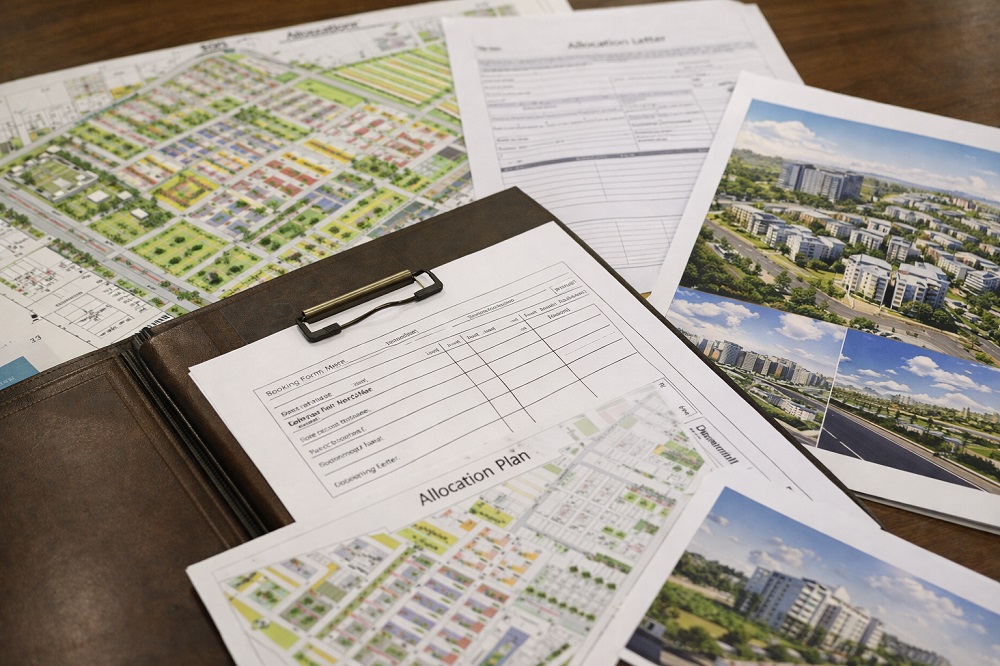
In Pakistan, many buyers casually say they have “bought a plot” when in reality they have bought a file, booking, or allocation right. That distinction matters. A developed plot, a balloted unit, and a pre-launch file are not the same thing, even though they are often marketed in a similar style.
A property file usually represents the earliest stage of entry into a housing scheme or real-estate project. In itself, that is not always wrong or fraudulent. In many genuine projects, files are simply the first commercial stage through which a developer starts taking bookings before the scheme fully matures.
So the issue is not the file itself. The real issue is whether the project behind that file has a credible path toward approvals, development, balloting, and eventual physical delivery.
A File Is Not Always a Scam
This is an important point that many people either ignore or misunderstand. Property files are not always fraud. In Pakistan’s housing market, there are genuine approval and development stages that can take months or even years because of regulatory bottlenecks, land consolidation, planning revisions, official processing delays, and NOC-related complications. Because of that, many developers begin with a pre-launch phase in which files are issued before the project reaches its later stages.
In a normal cycle, a scheme may begin with pre-launch files, then move into launch activity, then balloting once the master plan is clearer and plot numbers start getting allotted, and eventually physical development starts turning paper inventory into actual on-ground plots. That is the healthy path. The file is the first stage of a project, not the final proof that the project has already become real.
How a Genuine Project Usually Progresses
In a credible scheme, the file is only the beginning. First comes early booking or pre-launch activity. Then comes stronger market launch, greater clarity in planning, and eventually balloting, where buyers who have cleared enough dues are allotted actual plot numbers. After that, physical development begins to carry more weight. Roads, boundaries, infrastructure, leveling, utilities, and visible site work start turning paper inventory into something real.
This is the stage where a project starts becoming more trustworthy. A file only has long-term value if it can move toward physical reality. If it remains stuck only as a tradable paper claim, its value becomes fragile and heavily dependent on market mood.
Where the Model Breaks Down

Unfortunately, many schemes never move properly beyond the file stage. That is where the real damage happens.
Some projects begin with only a small amount of land, or in some cases only an intention to acquire land, but they issue files in very large numbers as if the entire project is already secure. They create a strong market image through big offices, aggressive marketing, guards, staff, vehicles, and a polished public face. To an ordinary buyer, it can all look real and convincing.
But if physical ownership remains limited, approvals stay stuck, land acquisition remains incomplete, and development never meaningfully starts, then the scheme remains largely in the air. In such cases, the file may continue trading for some time, but it is no longer backed by a believable path toward delivery.
In worse cases, some developers keep floating files in the market while the project itself remains weak, under-landed, or structurally incapable of delivering what was sold. There are also cases where offices shut down, sponsors disappear, or the market is left with files that have little practical value because they were never tied to a deliverable real asset.
The Real Problem with the File Market
The biggest issue is that file demand in Pakistan has often been driven more by momentum than by fundamentals. In many cases, people buy because “rates are running,” not because the underlying project has reached a safe and credible stage.
That creates a fragile market. As long as more buyers keep entering, prices can continue rising. But when demand slows, confusion begins. Investors suddenly start asking the questions they should have asked earlier. Is the scheme approved? Is the land fully secured? Is development actually happening? Is possession realistic? If those answers are weak, file prices can lose strength very quickly.
This is why property files have repeatedly created both excitement and regret. They can generate profit in the right phase, but they can also leave ordinary buyers stuck for years.
Why Buyers Also Get Trapped
The problem is not only on the developer side. Buyers also play a major role in creating the file bubble.
Many small investors are attracted to file trading because files allow them to enter with relatively low money. Instead of buying one plot properly and planning for long-term possession, some buyers hold multiple files in the hope that file prices will rise quickly and they will exit with profit.
That strategy works only in a rising market. Once the project reaches the stage where buyers need to clear a large portion of the total amount for balloting, plot number, or later instalments, many file holders can no longer continue. At that point, the file holder is stuck with a paper position that has not become an actual allotted plot, and the resale market also weakens because the next buyer knows the harder payment stage is approaching.
That is where losses become deeper. A file that looked affordable at the start may become a burden if the buyer cannot clear dues, cannot convert it into an actual allotted plot, and cannot even resell it at a reasonable rate. In that situation, the investor is not holding a real property asset. They are holding an incomplete paper position that the market may no longer want.
Why Files Collapse First When Trust Breaks
A very important point in Pakistan’s real-estate market is that file values usually collapse faster and harder than physical plots in off-plan or underdeveloped schemes. Even when the overall scheme is under pressure, physical land, developed blocks, or allocated plots still retain some practical value because buyers can at least see a real asset, a location, and a possible route to possession.
Files, by contrast, are hit first because they depend almost entirely on trust, future expectation, and market confidence. Once the market starts doubting delivery, files take the biggest hit because they are the least tangible part of the project.
That is why in already-declined markets, physical assets often show comparatively less loss than files. The file side usually absorbs the maximum brunt of the collapse.
Why Public Trust Fell So Sharply
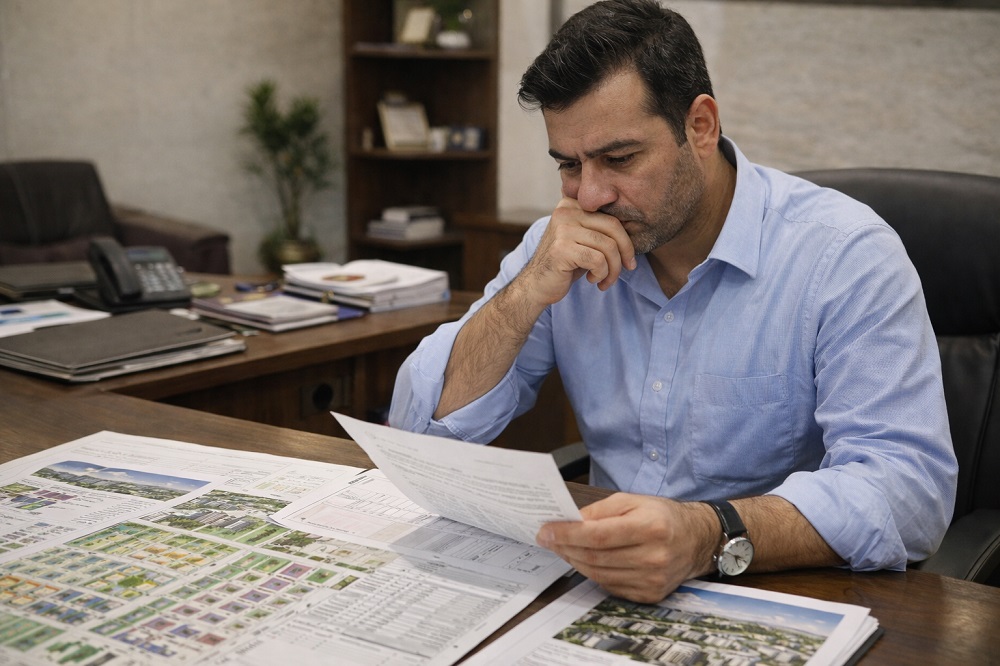
One reason trust in property files has weakened is that too many investors have now seen the same pattern more than once. In one cycle, files rise rapidly. In the next stage, delays begin. Then legal issues appear, approvals remain unclear, or development slows far below what was promised. Eventually, the file that looked like a strong opportunity starts looking like a frozen investment.
For many families and small investors, this has changed the way they view file-based schemes. Earlier, files were often seen as a shortcut to wealth. Today, many buyers see them as a risk-heavy category that requires far more caution.
This does not mean every file-based investment is bad. It means people are no longer willing to trust the model without stronger proof.
Why Official Verification Matters More Than Ever
Before buying any file, investors should check whether the project’s approval claims match the authority’s actual position, whether land backing is credible, and whether visible development supports the marketing story. In Pakistan’s file market, many buyers make the mistake of verifying too late, after money has already been committed. That is exactly why due diligence should come before booking, not after problems begin.
Regulators themselves keep reminding the public that project legality and approval status cannot be judged by marketing alone. A polished office, heavy advertising, and active dealers do not automatically mean a scheme is legally or structurally secure. That is why serious investors should always verify project status from the relevant authority instead of relying only on brochures, sales teams, or market noise.
Can Property Files Make a Comeback?
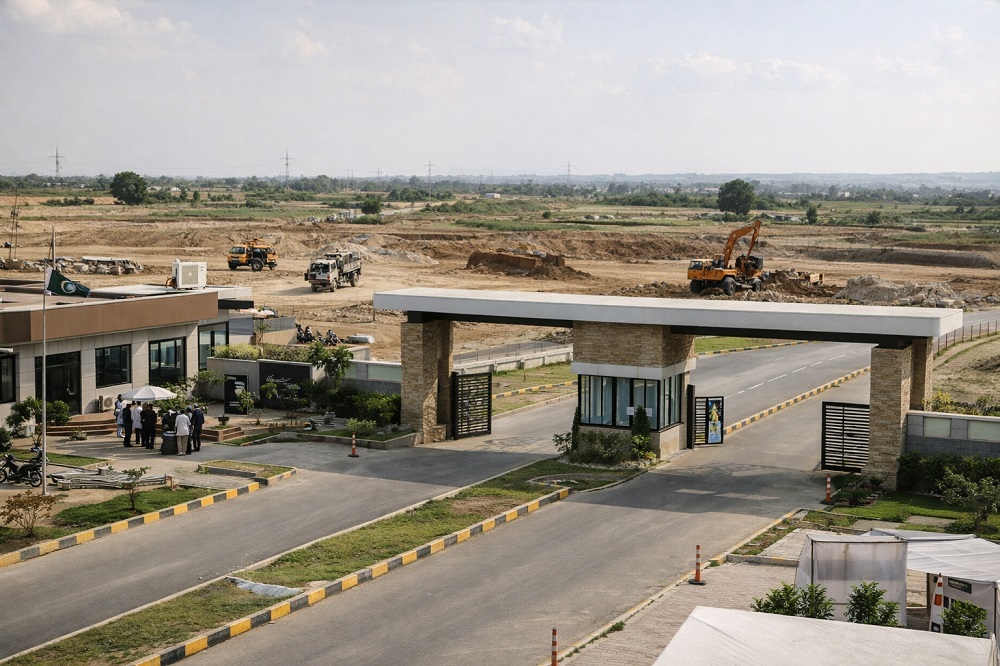
Yes, they can. In fact, they probably will return in active market phases. Pakistan’s real-estate market still has a strong speculative side. Whenever confidence improves, liquidity returns, and investors begin searching for fast-moving opportunities, file trading is likely to become active again.
But a comeback in trading does not automatically mean a comeback in credibility.
That is the key difference. Files can become popular again because people want quick gains. But unless projects are backed by clearer approvals, stronger transparency, and visible development, the same old cycle can repeat itself. Rates may rise, files may trend, and investors may enter in large numbers, but the underlying weakness remains unresolved.
What Will Decide the Future of Property Files
The future of this market depends on whether projects move from paper promises toward actual proof. In the coming years, investors are likely to become more selective. They will still participate in file-based opportunities, but they will increasingly ask harder questions before committing money.
The schemes most likely to survive and perform better will be those where buyers can see a believable path forward. That includes clearer approvals, secure land position, visible development, realistic delivery timelines, and stronger end-user demand.
By contrast, schemes that rely mainly on marketing noise, artificial urgency, and dealer-driven hype may still see temporary price movement, but they will remain vulnerable. The more the market matures, the harder it becomes to sustain paper value without real progress on ground.
Islamabad-Rawalpindi Market Reality: Which Files Hold Better and Which Ones Took the Hardest Hit
In the Islamabad-Rawalpindi belt, dealer-market reality has already shown a clear pattern. Files in a number of schemes are commonly discussed in the market as trading at deeply discounted and heavily negative levels, mainly because buyers now attach more weight to physical value, delivery credibility, and actual on-ground progress than to paper booking alone.
In market discussions, Capital Smart City and Faisal Town Phase 2 are often treated differently from weaker file markets because both still carry comparatively stronger confidence in physical land, development visibility, and eventual deliverability. That does not mean their file side has remained immune from correction. It means the trust factor is still relatively stronger where the market can see a believable path toward physical value.
By contrast, schemes such as Rudn Enclave, New Metro City Gujar Khan, Blue World City, Taj Residencia, Nova City, and Kingdom Valley are frequently cited by investors and dealers as examples where file-side sentiment weakened sharply after the market stopped rewarding paper inventory the way it once did. In such schemes, even where some land or development exists, files often took the maximum brunt of the collapse because buyers no longer viewed paper positions with the same confidence as before.
In open-market terms, file trading in these schemes is commonly described as having corrected to deeply negative levels compared with earlier expectations, booking-era enthusiasm, or peak speculative pricing. Physical assets in such projects may also have declined, but files usually suffer the most because they are furthest from possession and easiest for the market to abandon when trust breaks.
The market also remembers a separate category of names such as 1947 Housing, Seven Wonders City, Makkah Town, and Mivida City, which many investors mention as cautionary cases where the projects failed to maintain enough confidence, visible progress, or delivery strength to sustain meaningful file value. In such cases, once the market concludes that a project may remain stuck in the air, the file effectively stops behaving like property and starts behaving like illiquid paper.
Why Some File Markets Can Still Recover
This is the real distinction serious investors need to understand. A file can recover if the project behind it keeps moving toward actual land value, better approvals, stronger development, and eventual possession. That is why projects with stronger physical grounding and visible progress can regain confidence even after a broad correction.
That is also why many investors still believe that schemes with clearer land position and stronger development, such as Capital Smart City or Faisal Town Phase 2, may improve again over time as the market gives more weight to physical reality than to short-term speculation. On the other hand, schemes where trust has been damaged for too long, where delivery remains doubtful, or where paper selling far exceeded believable physical backing may never recover in the same way, no matter how aggressively files were once traded.
In simple terms, file revival is possible only where the project itself still looks capable of maturing into real property. Where that hope weakens badly, the file market usually does not come back in any meaningful way.
What Smart Investors Should Watch Before Buying a File
Anyone considering a file investment in Pakistan should avoid judging it only by price movement. A rising rate is not enough. A serious investor should check the project’s legal position, land security, approval status, development activity, and realistic route toward possession.
- How much land is actually secured, and how much is still only proposed?
- What is the exact approval position with the relevant authority?
- Is there a clear difference between layout approval, NOC status, and marketing claims?
- Has balloting taken place, and are plot numbers being allotted credibly?
- Is visible development happening on ground, not just on brochures?
- Can the buyer realistically continue later instalments, not just the booking stage?
- Is the scheme attracting real future residents and long-term buyers, or mostly traders?
- If file rates stopped moving for six to twelve months, would the project still look attractive?
If the answer to the last question is no, then the buyer may not be investing in real-estate fundamentals at all. They may only be chasing market momentum.
Why Tangible Property Still Feels Safer

For most buyers, tangible real estate still offers greater peace of mind. A developed plot, a near-possession property, or a project with visible on-ground progress usually gives more security than a fast-moving file in an uncertain scheme. Tangible assets offer something files often do not: clearer legal standing, practical usability, and in many cases, rental potential.
This is one reason many experienced investors now prefer real property over pure paper entry unless the file opportunity is backed by a genuinely credible project. The quick-profit appeal of files remains strong, but so does the memory of past losses.
So, Dead or Due for Revival?
Property files in Pakistan are not completely dead. They are still part of the market, and they can become active again whenever sentiment improves. But they are no longer in a phase where investors can trust them blindly.
Their revival, if it comes, will not depend only on hype. It will depend on whether projects behind those files look more real, more transparent, and more deliverable than before.
That is why the better conclusion is this: the property file business in Pakistan is not dead, but it can no longer survive in the old way. It can return, but only with much greater scrutiny. Buyers are more aware now. Trust is harder to win. And in today’s market, paper demand alone is no longer enough.
Final Thought
The future of property files in Pakistan will not be decided by how fast rates move in the market. It will be decided by how much of that value is actually backed by land, legal clarity, visible development, and a realistic path to possession.
That is the line serious investors need to respect.
In Pakistan, a property file only starts becoming real wealth when it keeps moving beyond paper promises and toward real land, real development, and real possession.
If you want expert guidance before investing in a housing project, file, or plot, contact Manahil Estate for practical advice based on market reality, project strength, and investment risk.
Note: Scheme examples above reflect dealer-market and investor-market observations rather than any official government benchmark. Actual file and resale levels can vary by block, payment status, location, development stage, and timing.